Behind the name
The May Morn Estate Sawmilland how Maymorn got its name
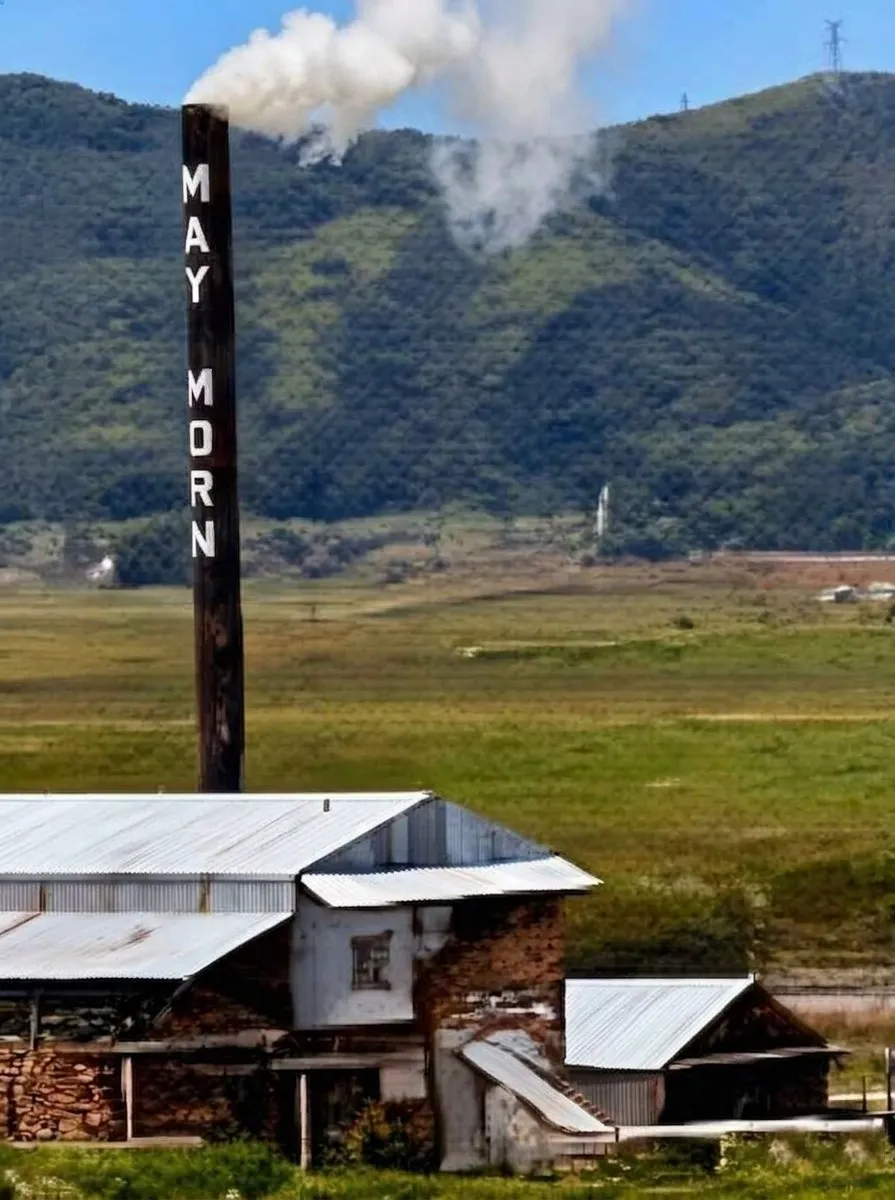
As a tribute to our roots, Maymorn Gin takes its name from the historic May Morn Estate Sawmill that once stood at the end of MacLaren Street, in the scenic Mangaroa Valley where our distillery resides today. The last vestiges of the chimney’s red brick base can still be seen at the end of the cul-de-sac.
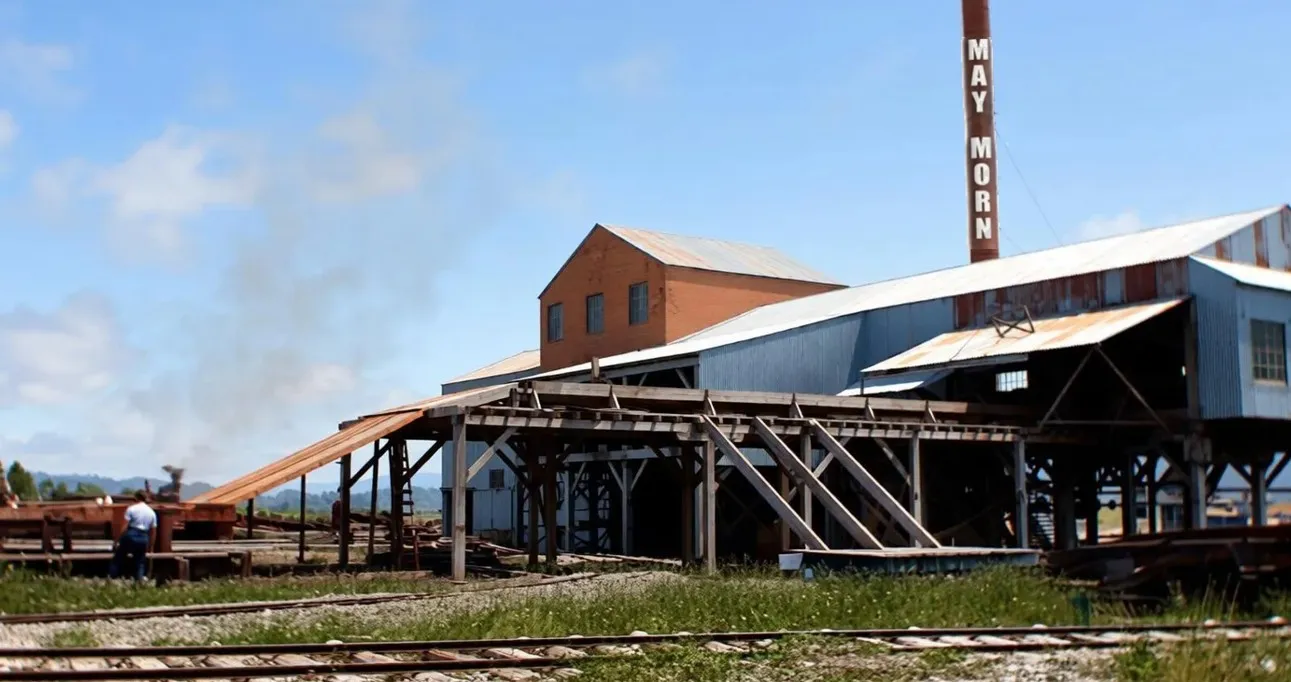
The May Morn Estate Sawmill was established in the early 1900s by May Morn Estates (NZ) Ltd. At its peak, the mill was reputedly the largest sawmill in New Zealand, with the capacity to process up to 40,000 feet of timber each day.
It played a vital role in the development of the Maymorn Estate, supplying timber for local construction projects while clearing extensive areas of forest for conversion to pastoral farmland.
The mill later faced financial trouble after World War 1’s first year dried up investment from the London Money Market and was shut down soon after.
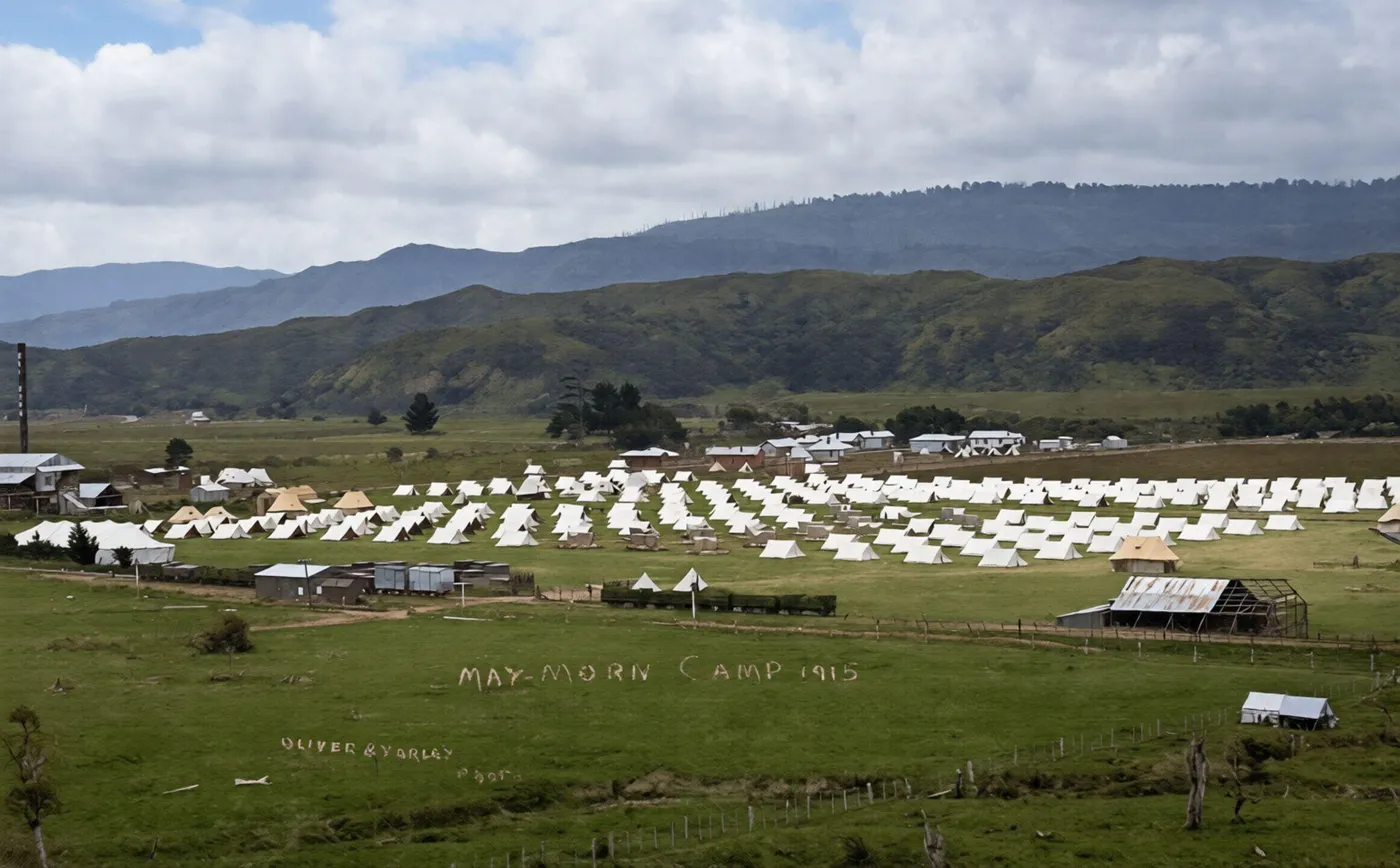
The area later became known as Maymorn — a condensed form of the original name, May Morn.